Training on cadavers before operating on live patients offers several cost advantages—both direct and indirect—that make it financially worthwhile for neurosurgical programs and, ultimately, for health systems and patients.
Here’s a breakdown of the key cost benefits:
1. Reduces Intraoperative Errors and Complications
-
Surgical errors (e.g., nerve injury, uncontrolled bleeding) significantly increase hospital costs due to:
-
Extended operative time
-
Additional procedures
-
Longer ICU/hospital stays
-
Treatments for complications (e.g., infection management)
-
-
Practicing techniques on cadavers reduces the likelihood of such errors when trainees begin real cases, leading to lower complication-related costs.
2. Shortens Operating Room (OR) Time
-
OR time is one of the most expensive resources in healthcare—often hundreds of dollars per minute.
-
Cadaver training helps residents:
-
Become familiar with steps and anatomy
-
Refine instrument handling
-
Anticipate challenges
-
-
When trainees make fewer adjustments or hesitations during actual surgery, the case proceeds faster, lowering per-case OR costs.
3. Enhances Procedural Confidence and Efficiency
-
Practicing on real tissue builds:
-
Muscle memory
-
Procedural flow understanding
-
Familiarity with anatomical variation
-
-
Increased confidence translates into:
-
Fewer supervisory corrections
-
Less reliance on attending surgeons for basic steps
-
-
This efficiency saves time and resources during live cases.
4. Reduces Costs of Simulation Failures
-
High-end simulators and virtual reality systems are expensive to purchase and maintain.
-
Though useful, they cannot fully replace the tactile realism of cadavers.
-
Cadaver labs, while also involving costs, often offer broader training value per dollar compared to multiple high-cost electronic simulators.
5. Decreases Training-Related Litigation Risk
-
Surgical trainees who are insufficiently practiced may contribute to adverse outcomes that can lead to:
-
Malpractice claims
-
Increased insurance premiums
-
-
Better-trained surgeons help reduce risk exposure, which has long-term financial benefits for healthcare institutions.
6. Minimizes Resource Waste During Real Cases
-
Inadequate preparation can lead to:
-
Use of extra instruments or implants due to unexpected challenges
-
Increased blood product usage
-
Cancelled or prolonged procedures
-
-
Pre-case cadaver practice improves planning and resource utilization, reducing unanticipated expenditures.
7. Improves Long-Term Outcomes and Reduces Readmissions
-
Better surgical technique is strongly correlated with improved long-term patient outcomes.
-
Fewer readmissions, reoperations, or long postoperative recoveries reduce downstream healthcare spending.
8. Cost-Effective Volume Training
-
Cadaver labs allow simultaneous training of multiple learners, maximizing teaching efficiency.
-
Compared to one-on-one mentoring in the OR, labs:
-
Use instructor time more efficiently
-
Allow repeated practice without escalating patient risk
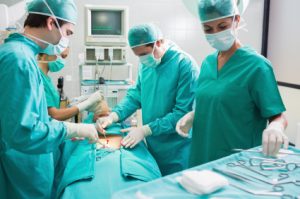
Nurse holding surgical tool next to operating table in an operating theatre
-