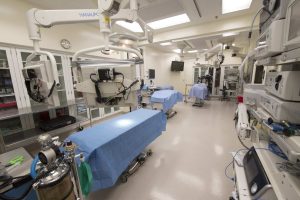
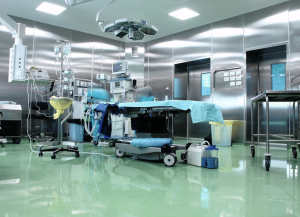
Cadaver training provides orthopedic sports physicians with a realistic environment to develop and refine surgical skills before performing procedures on living patients. Some key reasons include:
- Improves anatomical knowledge: Cadavers allow physicians to study normal anatomy and appreciate natural variations in bones, muscles, tendons, ligaments, nerves, and blood vessels that may not be evident in textbooks or computer simulations.
- Develops surgical technique: Physicians can practice surgical approaches, tissue handling, instrument use, drilling, fixation, suturing, and arthroscopic techniques without placing patients at risk.
- Builds procedural confidence: Rehearsing procedures in a realistic setting helps surgeons become more comfortable with the sequence of steps and decision-making before operating on patients.
- Enhances patient safety: Practicing on cadaveric specimens can reduce technical errors and improve efficiency, contributing to safer surgical care when physicians perform the procedures clinically.
- Learn new procedures and technologies: Cadaver labs are commonly used to introduce new implants, fixation devices, navigation systems, and minimally invasive techniques before they are used in patient care.
- Practice management of complications: Surgeons can simulate difficult scenarios, such as identifying and protecting nerves or blood vessels, revising surgical plans, or responding to unexpected anatomy.
- Improve hand-eye coordination: Arthroscopic and minimally invasive orthopedic procedures require precise instrument control. Cadaver practice helps refine these psychomotor skills.
- Team training: Entire surgical teams—including surgeons, physician assistants, residents, nurses, surgical technologists, and medical device specialists—can practice communication, workflow, and operating room coordination.
- Education and mentoring: Experienced surgeons can teach residents, fellows, and early-career physicians using actual human anatomy, providing immediate feedback in a controlled learning environment.
- Supports continuing medical education (CME): Cadaver courses are frequently incorporated into CME programs to help practicing orthopedic surgeons maintain proficiency and learn evolving techniques.
- Validates new procedures: Before a new surgical technique is introduced into clinical practice, cadaver laboratories often serve as an important setting for evaluating feasibility, refining the approach, and improving instrumentation.
For orthopedic sports medicine specifically, cadaver training is especially valuable for procedures such as:
- Arthroscopic shoulder stabilization (Bankart repair)
- Rotator cuff repair
- Anterior cruciate ligament (ACL) reconstruction
- Posterior cruciate ligament (PCL) reconstruction
- Meniscus repair and transplantation
- Hip arthroscopy
- Ulnar collateral ligament (UCL) reconstruction (“Tommy John” surgery)
- Achilles tendon repair
- Ankle ligament reconstruction
- Cartilage restoration procedures
Because cadavers closely replicate the tactile properties and three-dimensional anatomy encountered in surgery, they remain one of the most effective methods for procedural education. They complement simulation, virtual reality, and laboratory models by allowing physicians to practice on actual human tissue while honoring the generous gift of body donation.