
1. Minimal scarring
Because the surgeon uses tiny incisions (often hidden in the hairline or inside the mouth), visible scars are significantly reduced or even eliminated.
2. Faster recovery time
Less tissue disruption means swelling and bruising tend to be milder, so patients usually return to normal activities sooner compared to traditional surgery.
3. Reduced risk of complications
With smaller incisions and less trauma to surrounding tissues, there’s typically a lower risk of infection, bleeding, and nerve damage.
4. Enhanced precision
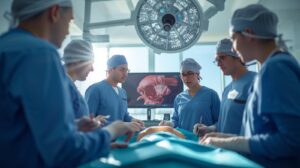
The endoscope (a small camera) provides a magnified, high-resolution view of underlying structures. This allows for more accurate adjustments, especially in delicate areas like the brow, midface, or around nerves.
5. Less pain and discomfort
Minimally invasive techniques generally lead to less postoperative pain and a reduced need for strong pain medications.
6. Natural-looking results
Because the approach preserves more of the natural anatomy and support structures, results often appear more subtle and less “pulled” than older surgical methods.
7. Shorter operating time (in some cases)
For certain procedures, the efficiency of visualization and access can reduce time in the operating room.
That said, endoscopic techniques aren’t ideal for every patient or every type of facial concern. The best approach depends on factors like skin elasticity, degree of aging, and desired results. Consulting a qualified facial plastic surgeon is essential to determine whether this method is appropriate for a specific case.