For medical students, residents, and practicing clinicians, few learning environments match the depth, realism, and confidence‑building power of a cadaver lab. When you search for cadaver labs near me, you’re looking for a facility that will shape your technical skills, your anatomical understanding, and ultimately, your patient outcomes. Choosing the right lab matters, and the differences between facilities can be significant.
This guide walks you through what to look for, what you’ll learn, and why high‑quality cadaver labs remain the gold standard for hands‑on medical training.
Why Cadaver Labs Still Matter in Modern Medical Training
Even with today’s advanced simulators, VR platforms, and digital anatomy tools, nothing replicates the tactile realism of working with real human tissue. A cadaver lab offers:
- True anatomical variation — Every donor body is unique, just like every patient. This exposes learners to natural differences in vasculature, muscle structure, bone density, and organ placement.
- Authentic tissue feel — The resistance of fascia, the delicacy of nerves, the texture of ligaments are all examples of sensations that no simulation can fully mimic.
- Safe, controlled practice — Learners can make mistakes, repeat techniques, and refine their approach without patient risk.
- Team‑based learning — Surgeons, residents, nurses, and device reps often train together, mirroring real Operating Room dynamics.
For specialties like orthopedics, spine surgery, emergency medicine, anesthesia, and trauma care, cadaver‑based training is essential.
What Do You Learn in a Cadaver Lab?
A well‑designed cadaver lab supports a wide range of hands‑on skills. Depending on your specialty and training goals, you may learn to:
- Perform surgical approaches such as anterior hip, posterior spine, or minimally invasive incisions.
- Practice procedural techniques including intubation, central line placement, nerve blocks, and arthroscopy.
- Understand complex anatomy in three dimensions, far beyond what textbooks or digital models can show.
- Use surgical instruments and devices in a realistic environment, including drills, scopes, implants, and navigation systems.
- Develop spatial awareness which is a critical skill for surgeons and proceduralists.
- Build confidence before performing procedures on live patients.
For many clinicians, the first time a technique “clicks” is in a cadaver lab, where they can slow down, explore, and repeat until the movement becomes second nature.
How to Choose the Right Cadaver Lab Near You
When searching for cadaver labs near me, keep in mind that not all facilities offer the same level of quality, safety, or educational value. Here are the key factors to evaluate.
1. Facility Accreditation and Ethical Standards
A reputable cadaver lab should follow strict ethical, legal, and safety guidelines. Look for:
- Transparent donor program information
- Compliance with state and federal regulations
- Clear documentation on tissue sourcing and handling
- Accreditation or affiliation with medical institutions
Ethical stewardship is the foundation of any trustworthy cadaver lab.
2. Quality of Cadaveric Specimens
The condition of the cadaveric tissue dramatically affects the learning experience. High‑quality labs offer:
- Fresh‑frozen specimens for realistic tissue feel
- Proper preservation techniques
- Full‑body and region‑specific options
- Specimens matched to the course’s learning objectives
If possible, ask how specimens are stored, thawed, and prepared before training.
3. Technology and Equipment Availability
Modern cadaver labs often integrate advanced tools to enhance training. Depending on your needs, look for:
- C‑arms or fluoroscopy
- Arthroscopy towers
- Surgical navigation systems
- High‑fidelity instruments and power tools
- Endoscopic or laparoscopic equipment
- High‑resolution monitors and recording systems
A well‑equipped lab allows you to train exactly as you would in the OR.
4. Instructor Expertise
The quality of instruction can make or break your experience. Strong labs employ or partner with:
- Board‑certified surgeons
- Experienced anatomists
- Specialty‑specific educators
- Industry experts for device‑based training
Ask whether the course includes guided instruction, open practice time, or both.
5. Course Structure and Learning Outcomes
Not all cadaver labs offer the same type of training. Compare:
- Single‑day vs. multi‑day courses
- Specialty‑specific workshops
- Procedural bootcamps
- Certification‑aligned programs
- Custom or private training sessions
Choose a facility that aligns with your goals whether you’re preparing for a new surgical technique, refreshing anatomy, or training a team.
6. Safety Protocols and Support Staff
A professional cadaver lab prioritizes safety for both participants and staff. Look for:
- Proper PPE requirements
- Biohazard handling procedures
- On‑site lab technicians
- Clear emergency protocols
- Clean, well‑ventilated workspaces
A well‑run lab feels organized, supported, and safe from the moment you arrive.
7. Location, Scheduling, and Accessibility
When searching for cadaver labs near me, consider practical factors:
- Proximity to airports or major highways
- Availability of weekend or evening courses
- On‑site amenities such as lockers, showers, or break rooms
- Nearby hotels or conference centers
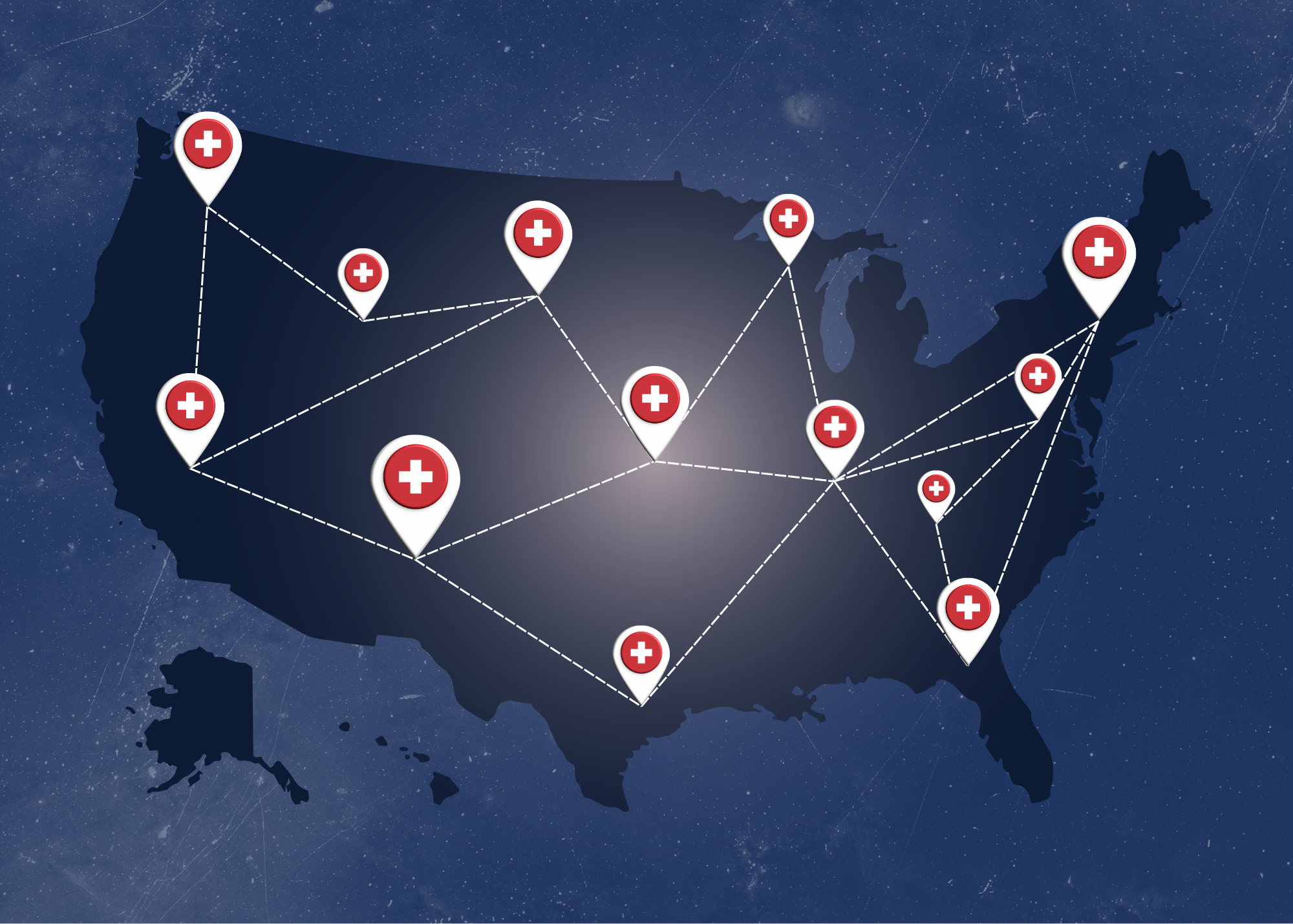
Convenience matters. That’s why so many people are turning to mobile cadaver labs. It is especially helpful for multi‑day or team‑based training.
The Benefits of Choosing the Right Cadaver Lab
Selecting a high‑quality facility pays off in measurable ways:
- Better procedural accuracy — Hands‑on repetition builds muscle memory and reduces errors.
- Greater anatomical mastery — Seeing and feeling real structures deepens understanding.
- Improved patient outcomes — Clinicians who train in cadaver labs often perform more confidently and competently.
- Enhanced readiness for new techniques — Surgeons can adopt innovations faster when they’ve practiced them on real tissue.
- Stronger team communication — Interdisciplinary training improves coordination in the OR.
A cadaver lab is more than a training space. It’s a bridge between theory and real‑world clinical practice.
Finding the Best Cadaver Labs Near You
When you search for cadaver labs near me, you’re taking an important step toward advancing your skills and improving patient care. The right facility will offer ethical stewardship, high‑quality specimens, expert instruction, and a safe, well‑equipped environment that mirrors real surgical conditions.
Whether you’re a medical student preparing for your first dissection, a resident refining procedural skills, or a practicing surgeon adopting new techniques, a cadaver lab provides the most realistic, impactful training.