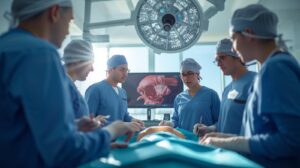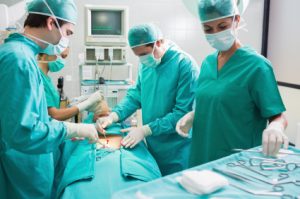
In today’s rapidly evolving medical landscape, staying current with modern surgical techniques is not optional—it is essential. One of the most effective ways to achieve this is through cadaver-based training programs, often referred to as Cadabra (cadaver laboratory) training. These programs play a critical role in ensuring surgeons maintain precision, confidence, and competence in an era of constant innovation.
1. Bridging Theory and Real-World Practice
Textbooks, lectures, and simulations provide foundational knowledge, but they cannot fully replicate the complexity of the human body. Cadaver training allows surgeons to:
-
Practice procedures in realistic anatomical settings
-
Understand anatomical variations
-
Develop tactile familiarity with tissues and structures
This hands-on experience bridges the gap between theoretical learning and live patient surgery.
2. Mastering Modern and Minimally Invasive Techniques
With the rise of minimally invasive, robotic, and image-guided procedures, surgeons must continually refine their technical skills. Cadaver labs allow them to:
-
Practice new device usage and surgical instruments
-
Rehearse advanced laparoscopic and endoscopic techniques
-
Gain confidence before applying innovations in the operating room
By training in a controlled environment, surgeons reduce the learning curve associated with new technology.
3. Enhancing Patient Safety
Patient safety is the cornerstone of modern healthcare. Cadaver training contributes to:
-
Reduced surgical errors
-
Improved procedural accuracy
-
Better preoperative planning
Practicing complex procedures beforehand minimizes risk when operating on living patients, ultimately leading to better outcomes.
4. Maintaining Professional Competency
Medicine is dynamic. New guidelines, devices, and procedural approaches emerge regularly. Ongoing cadaver-based education helps surgeons:
-
Stay aligned with current best practices
-
Meet continuing medical education (CME) requirements
-
Maintain board certification standards
Continuous skill refinement ensures practitioners remain competent and competitive in their fields.
5. Encouraging Innovation and Collaboration
Cadaver labs are often used for:
-
Testing new surgical techniques
-
Training multidisciplinary teams
-
Collaborative learning among peers
This environment fosters innovation, discussion, and shared expertise, which advances surgical practice as a whole.
Conclusion
Cadabra (cadaver-based) training is an indispensable component of modern surgical education. It strengthens technical proficiency, supports the safe adoption of new technologies, enhances patient safety, and promotes lifelong learning. In a profession where precision and expertise directly impact lives, investing in ongoing hands-on training is not merely beneficial—it is a professional responsibility.