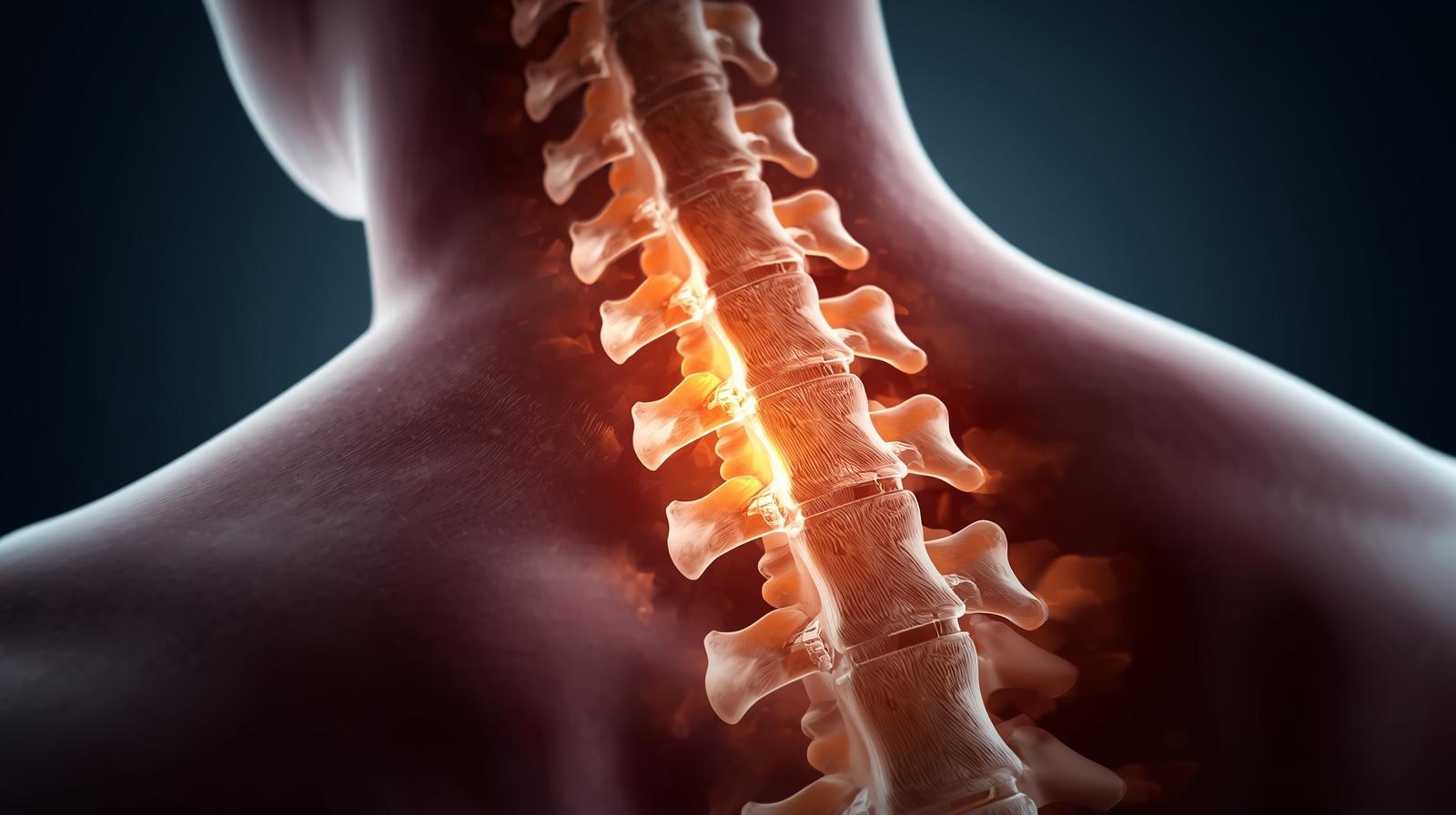
Spinal surgery is one of the most technically demanding fields in modern medicine. The spine houses the spinal cord, supports the body’s structure, and enables nearly every movement we make. Because of its complexity, surgeons must undergo extensive spine surgery training to develop the precision, confidence, and anatomical mastery required to perform these procedures safely.
While textbooks, simulations, and digital tools play important roles in education, cadaver labs for spine surgery remain one of the most valuable training environments. These labs give surgeons the opportunity to practice techniques on real human anatomy—an experience that cannot be fully replicated by models or virtual systems. But to understand why cadaver labs are so essential, it helps to first understand the wide range of spinal surgeries and the skills they require.
Understanding the Complexity of Spinal Surgery
Spinal surgery encompasses a broad spectrum of procedures, each designed to address specific conditions affecting the vertebrae, discs, nerves, or spinal cord. Because the spine is both delicate and structurally intricate, surgeons must be able to navigate tight spaces, avoid critical neural structures, and work with millimeter‑level accuracy.
Here are some of the most common types of spinal surgery:
1. Spinal Fusion
Often used to treat degenerative disc disease, scoliosis, or instability, spinal fusion permanently connects two or more vertebrae. Surgeons must place screws, rods, or bone grafts with extreme precision to ensure proper alignment and long‑term stability.
2. Laminectomy
This procedure removes part of the vertebral bone (the lamina) to relieve pressure on the spinal cord or nerves. It requires careful dissection and a deep understanding of spinal canal anatomy.
3. Discectomy
Used to treat herniated discs, a discectomy involves removing damaged disc material that is compressing a nerve. Surgeons must work through narrow corridors while protecting surrounding structures.
4. Artificial Disc Replacement
Instead of fusing vertebrae, this procedure replaces a damaged disc with an artificial implant. It demands precise placement to maintain natural motion and spinal balance.
5. Minimally Invasive Spine Surgery (MISS)
MISS techniques use small incisions and specialized instruments to reduce tissue disruption. These procedures require exceptional hand‑eye coordination and familiarity with advanced tools.
6. Deformity Correction
Surgeries for scoliosis or kyphosis involve complex realignment of the spine. Surgeons must understand biomechanics, instrumentation, and multi‑level correction strategies.
Each of these procedures requires a deep understanding of spinal anatomy, surgical tools, and patient‑specific variations—making high‑quality spinal surgery training essential.
Why Spine Surgery Training Requires Hands‑On Experience
Spinal anatomy is highly variable from person to person. Even small differences in bone density, nerve positioning, or vertebral shape can influence surgical decisions. While digital simulations and 3D models are valuable, they cannot fully replicate the tactile feedback, tissue resistance, or anatomical nuance of real human structures.
This is where cadaver labs for spine surgery play a transformative role.
How Cadaver Labs Improve Surgical Precision
Cadaver labs offer a realistic, risk‑free environment where surgeons can refine their skills, explore new techniques, and gain confidence before operating on live patients. They elevate spine surgery training in a few critical ways:
1. Realistic Anatomy and Tissue Feel
Cadavers provide the closest possible representation of live human anatomy. Surgeons can feel the density of bone, the texture of ligaments, and the delicate nature of nerve tissue—sensations that models cannot replicate.
2. Practice With Surgical Instruments
From drills and retractors to robotic systems and navigation tools, cadaver labs allow surgeons to practice using the exact equipment they will use in the operating room.
3. Exposure to Anatomical Variations
Every cadaver is unique. This variability helps surgeons learn to adapt their techniques to different body types, spinal curvatures, and structural differences.
4. Opportunity to Rehearse Complex Procedures
Surgeons can perform multi‑step procedures from start to finish, gaining a deeper understanding of workflow, sequencing, and potential challenges.
5. Safe Environment for Learning and Innovation
Cadaver labs allow surgeons to make mistakes, test new approaches, and refine their skills without risk to patients. This fosters innovation and continuous improvement.
6. Enhanced Team Training
Spine surgery often involves a coordinated team. Cadaver labs allow surgeons, assistants, and OR staff to practice communication, instrument handling, and procedural flow together.
The Future of Spinal Surgery Training
As technology evolves, spine surgery training is becoming more advanced. Many programs now combine cadaver labs with:
- Virtual reality simulations
- 3D‑printed spine models
- Robotic‑assisted surgery training
- Navigation and imaging system practice
Even with these innovations, cadaver labs remain the gold standard for developing surgical precision. They bridge the gap between theory and practice, giving surgeons the confidence and skill needed to perform complex spinal procedures safely.
Bridging the Gap Between Theory and Surgical Practice
Spinal surgery is a demanding specialty that requires exceptional precision, deep anatomical knowledge, and hands‑on experience. While digital tools and simulations enhance learning, cadaver labs for spine surgery provide an irreplaceable training environment. By allowing surgeons to practice real procedures on real anatomy, cadaver labs elevate the quality of spine surgery training and ultimately improve patient outcomes.