
Modern total hip arthroplasty (THA) has advanced through improvements in implant design, surgical planning, fixation methods, and perioperative care. Key developments include:
• Direct anterior approach (DAA): A muscle-sparing approach used by many surgeons that may facilitate earlier functional recovery in appropriately selected patients.
• Robotic-assisted THA: Robotic systems provide intraoperative guidance to improve acetabular cup positioning, leg-length restoration, and implant alignment.
• Computer-assisted navigation: Real-time navigation helps optimize implant orientation and reduce the risk of malposition.
• Three-dimensional CT-based planning: Preoperative software allows surgeons to simulate implant size, offset, leg length, and component positioning before surgery.
• Patient-specific instrumentation (PSI): Customized guides may improve precision in selected complex primary and revision cases.
• Cementless biologic fixation: Modern porous titanium and highly porous coatings promote bone ingrowth and durable implant fixation.
• Highly cross-linked polyethylene liners: These have substantially reduced wear rates compared with earlier polyethylene designs, contributing to improved implant longevity.
• Dual-mobility bearings: Increasingly used in patients at higher risk for instability, these implants can reduce postoperative dislocation rates while maintaining range of motion.
• Ceramic bearing surfaces: Modern ceramic heads offer excellent wear characteristics and are commonly paired with highly cross-linked polyethylene.
• Short-stem femoral implants: Designed to preserve proximal femoral bone and potentially simplify future revision surgery in selected patients.
• Revision hip reconstruction: Advanced modular implants, porous metal augments, custom triflange components, and improved techniques for managing bone loss have expanded options for complex revision surgery.
• Enhanced recovery after surgery (ERAS): Multimodal pain management, regional anesthesia, early mobilization, and coordinated rehabilitation have shortened hospital stays and improved recovery.
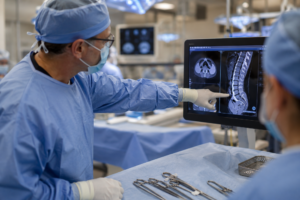
• Fluoroscopy-assisted component placement: In selected approaches, intraoperative fluoroscopy helps assess implant positioning, leg length, and hip offset.
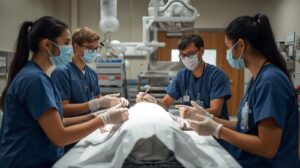
These innovations are frequently incorporated into cadaver-based hip arthroplasty courses, where surgeons practice surgical exposure, acetabular and femoral preparation, implant placement, robotic or navigation workflows when available, management of intraoperative complications, and revision techniques before performing these procedures in clinical practice.