For many medical students, surgeons, physician assistants, and healthcare professionals, a first experience inside a cadaver lab is one of the most memorable parts of their clinical training. While digital anatomy tools and 3D visualization software have improved dramatically in recent years, hands-on anatomical study continues to play a critical role in medical education.
The best cadaver labs in the United States combine advanced technology, high-quality cadaver tissue, strong anatomy instruction, and immersive cadaver training opportunities that prepare students for real clinical practice.
What is a Cadaver Lab?
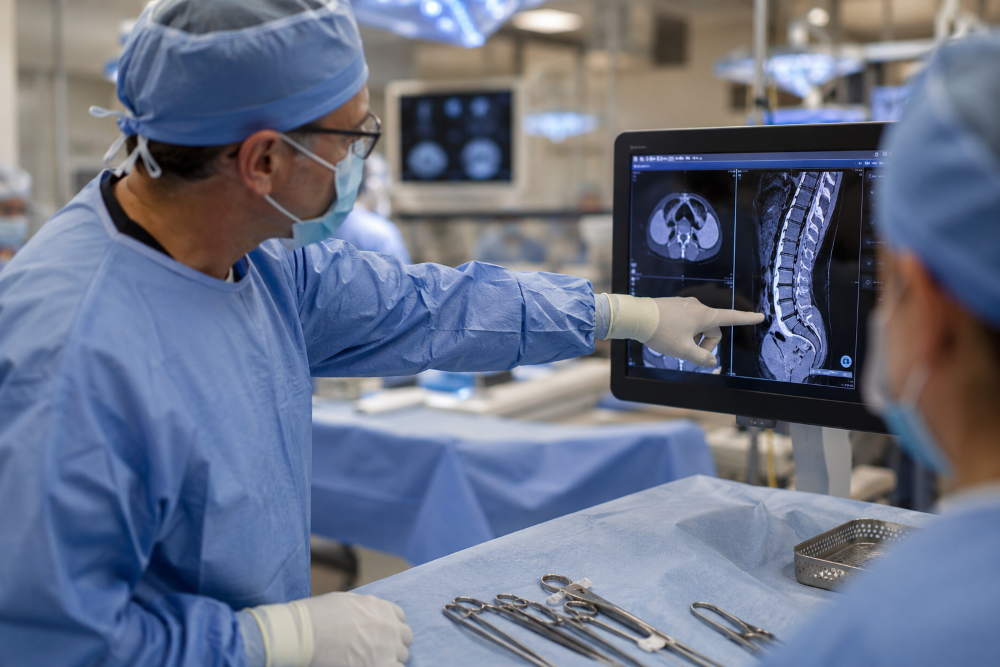
A cadaver lab is a specialized medical education facility where students study human anatomy using donated human bodies and cadaver tissue. These labs allow students to observe real anatomical structures, practice dissections, understand spatial relationships inside the body, and gain experience that simply cannot be replicated through textbooks alone. Modern cadaver labs often include imaging systems, digital anatomy tables, surgical simulation technology, and collaborative learning environments that mirror real healthcare settings.
For medical students and healthcare professionals, the quality of a cadaver lab can significantly influence anatomy education and long-term clinical confidence. Here are some of the best cadaver lab facilities currently recognized for their advanced training environments and educational value.
Stanford University Clinical Anatomy Labs
Stanford University has developed one of the most technology-driven anatomy learning environments in the country. The school’s anatomy facilities support medical education, surgical skills training, and advanced research using both traditional dissection and medical visualization technologies.
What sets Stanford apart is its integration of cadaver training with imaging and procedural simulation. Students work with cadaver tissue while also learning through virtual anatomy systems and surgical practice labs. This hybrid approach helps bridge the gap between anatomy coursework and real clinical applications.
For students pursuing surgery, orthopedics, neurology, or procedural specialties, access to this kind of hands-on cadaver lab experience can be incredibly valuable.
George Washington University Gross Anatomy Laboratory
The Gross Anatomy Laboratory at George Washington University is another standout facility for medical students. The lab spans approximately 4,800 square feet and accommodates large groups while maintaining a highly collaborative learning environment.
The facility includes:
- Forty-one dissecting cadaver stations
- Multimedia projection systems
- iPads and digital learning tools
- Virtual reality equipment
- Anatomical models and imaging resources
One major advantage of this cadaver lab is its year-round use. In addition to medical students, the lab supports physician assistant students, surgical education programs, emergency medical services training, and specialized procedural workshops.
This broad exposure creates a multidisciplinary learning atmosphere that closely resembles modern healthcare collaboration.
Tufts University Anatomy Laboratory
Tufts University offers one of the most visually advanced cadaver labs in the Northeast. Its Michael Jaharis Anatomy Laboratory features high-resolution imaging systems, digital displays at every dissection table, and space for more than 200 students and faculty.
The facility emphasizes hands-on anatomical training as a core component of medical education. Students learn through direct dissection and examination of cadaver tissue while simultaneously using advanced imaging tools that reinforce anatomical understanding.
Natural lighting, upgraded ventilation systems, and collaborative workstations also help create a more comfortable and professional learning environment — an often-overlooked factor during long anatomy lab sessions.
University of Nevada, Reno Anatomy Lab
The anatomy lab at University of Nevada, Reno stands out for combining traditional cadaver dissection with modern imaging and ultrasound technology.
Medical students gain exposure to:
- Full-body cadaver dissection
- Ultrasound-guided anatomy learning
- Virtual dissection technology
- Video recording systems
- Clinical anatomy electives
The facility also integrates anatomy education throughout multiple years of medical training instead of limiting cadaver lab exposure to first-year coursework. That continued anatomical reinforcement can be particularly beneficial for students entering procedural or surgical specialties.
Virginia Tech Carilion Wet Anatomy Lab
Virginia Tech utilizes an impressive shared anatomy facility known as the Virginia Intercollegiate Anatomy Laboratory. The 8,000-square-foot lab accommodates small-group dissection learning with roughly four students per cadaver station.
Smaller student-to-cadaver ratios are important because they provide more direct participation during dissections and allow students to gain more tactile familiarity with anatomical structures. In many programs, larger groups can limit hands-on opportunities.
The facility also supports advanced anatomy electives and procedural cadaver training sessions for upper-level medical students and residents.
SMTS Mobile Cadaver Labs
Access to high-quality cadaver labs is not always convenient, especially for healthcare organizations located outside major medical training hubs. To help solve that challenge, SMTS (Surgical & Medical Training Services) provides mobile cadaver lab solutions that bring hands-on surgical and anatomical training directly to medical professionals across the United States.
Instead of requiring physicians, surgeons, or trainees to travel to a permanent cadaver lab facility, SMTS can build a temporary off-site cadaver training environment at locations such as surgical centers, doctor offices, corporate headquarters, conference spaces, or hotels.
These mobile cadaver labs are designed to replicate many of the capabilities found in traditional bioskills labs. SMTS coordinates the logistics, equipment, and technical support needed to create a fully functional cadaver training environment in a convenient location.
Services and equipment can include:
- Transportation of cadaver tissue and specimens
- Surgical instruments and training equipment
- Personal protective equipment (PPE) for attendees
- Imaging equipment such as C-Arms
- Surgical towers for arthroscopic and endoscopic procedures
- Surgical drills, saws, suction units, and lighting
- Audio and video support for presentations and demonstrations
- Experienced laboratory and tissue technicians
- Full setup, cleanup, disinfection, and specimen handling
Depending on the goals of the event, mobile cadaver training labs can range from small private instruction setups to large multi-station surgical education courses with up to 40 training stations.
For medical organizations evaluating cadaver training options, mobile cadaver labs offer several practical advantages, including reduced travel requirements, more flexible scheduling, and the ability to train in familiar clinical environments. As cadaver training continues expanding beyond university anatomy programs, mobile lab models are helping make hands-on medical education more accessible to healthcare professionals nationwide.
Why Cadaver Labs Still Matter
Even as medical schools adopt more virtual anatomy tools, cadaver labs remain a critical part of medical education. Hands-on cadaver training gives students a deeper understanding of human variation, tissue structure, and real anatomical relationships that digital models cannot fully replicate.
Cadaver training also introduces students to the emotional and ethical dimensions of medicine. Working with donated human bodies reinforces professionalism, respect for patients, and appreciation for anatomical donation programs.
In procedural specialties especially, working with real cadaver tissue helps students develop practical skills and familiarity before entering live surgical or clinical settings. For many medical professionals, time spent in a cadaver lab becomes one of the most impactful parts of their training, helping shape not only anatomical knowledge, but also the professionalism and respect for patient care that define great medicine.