• Anatomic ACL reconstruction: More accurate tunnel placement using independent drilling techniques to better restore normal knee kinematics.
• Quadriceps tendon autografts: Increasingly used for ACL reconstruction because they provide a robust graft with less donor-site morbidity in many patients.
• Internal brace augmentation: High-strength suture tape may be used to reinforce selected ligament repairs or reconstructions while healing occurs.
• Meniscal preservation: Surgeons increasingly repair meniscal tears instead of removing tissue, using all-inside, inside-out, and root repair techniques.
• Meniscal root repair: Advanced arthroscopic repairs restore hoop stresses and may slow progression of joint degeneration.
• Meniscal transplantation: Selected patients with symptomatic meniscal deficiency may benefit from arthroscopic-assisted meniscal allograft transplantation.
• Cartilage restoration: Techniques include microfracture, osteochondral autograft transplantation (OATS), osteochondral allograft transplantation, and autologous chondrocyte implantation (ACI/MACI) for appropriate focal cartilage defects.
• Biologic augmentation: PRP, bone marrow aspirate concentrate, collagen scaffolds, and other biologic adjuncts are being studied to enhance healing, although evidence varies by indication.
• MPFL reconstruction: Arthroscopic-assisted and minimally invasive procedures for recurrent patellar instability have become more refined.
• High-definition arthroscopy: HD and 4K visualization, improved optics, and advanced fluid management systems provide better visualization of cartilage, ligaments, and menisci.
• Modern instrumentation: Smaller arthroscopes, flexible shavers, radiofrequency devices, and knotless fixation systems improve efficiency and reduce soft-tissue disruption.
• Computer-assisted planning and AI: Three-dimensional imaging, patient-specific planning, and emerging AI tools help assess alignment, predict outcomes, and optimize surgical decision-making.
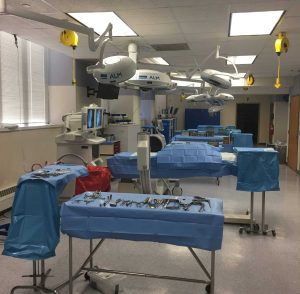
These techniques are frequently taught in cadaver-based sports medicine courses, allowing surgeons to practice portal placement, graft harvesting and preparation, tunnel drilling, meniscal repair, cartilage restoration procedures, and management of intraoperative complications before applying these skills in patient care.