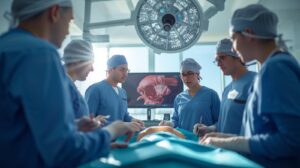
Cadaver research training plays a critical role before bringing medical devices and surgical implants to market because it bridges the gap between theoretical design and real human use. Here’s why it matters:
1. Realistic Human Anatomy Testing
Unlike simulations or animal models, cadavers provide true human anatomy—including natural variation in size, tissue density, and structure. This allows developers to see how a device actually fits, interacts, and performs in the body.
2. Surgical Feasibility
Engineers and clinicians can practice actual surgical procedures using the device. This helps answer key questions:
- Can surgeons implant it safely?
- Does it require new techniques or tools?
- Are there unforeseen difficulties during placement?
3. Risk Reduction & Patient Safety
Cadaver training helps identify potential complications (e.g., damage to nearby nerves, blood vessels, or organs) before any live patient is involved. This reduces the risk of harm during early clinical use.
4. Design Optimization
Hands-on use often reveals design flaws that wouldn’t appear in lab testing—such as issues with:
- Device size or shape
- Ease of handling
- Visibility during surgery
This leads to iterative improvements before regulatory submission.
5. Training Surgeons
Before a device is launched, surgeons need to learn how to use it properly. Cadaver labs provide a safe training environment where they can build skill and confidence without patient risk.
6. Regulatory and Clinical Evidence Support
Regulatory bodies (like the FDA) often expect preclinical evidence showing that a device can be used safely and effectively. Cadaver studies can support:
- Usability validation
- Human factors testing
- Procedural standardization
7. Team Alignment
Cadaver sessions bring together engineers, surgeons, and product teams, improving cross-disciplinary understanding of how the device performs in real conditions.
In short, cadaver research training is essential because it ensures that a medical device is not just theoretically sound, but practical, safe, and usable in real human surgery—ultimately protecting patients and improving outcomes.