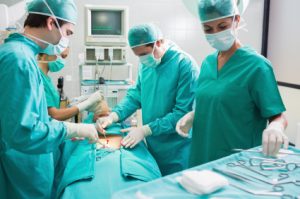
Cadaver training can be extremely valuable for military surgeons, physicians, medics, and paramedics because it provides a level of anatomical realism that is difficult to replicate with mannequins, task trainers, computer simulations, or animal models. However, it’s important to note that military medical training typically uses a combination of methods, and cadaver training is one component rather than the sole preparation before deployment.
Why Cadaver Training Matters
1. Real Human Anatomy Is Complex
Textbooks and simulators teach anatomy, but actual human anatomy varies from person to person. Cadaver training allows providers to:
- See true anatomical relationships.
- Appreciate differences in body size, age, and tissue characteristics.
- Identify major blood vessels, nerves, muscles, and organs in their natural positions.
- Learn how injuries may affect multiple structures simultaneously.
For military medical personnel, understanding these relationships is critical when treating trauma under pressure.
2. Combat Injuries Are Often Severe and Unpredictable
Military casualties may suffer injuries from:
- Explosions and blast waves.
- Gunshot wounds.
- Shrapnel and fragmentation.
- Crush injuries.
- Burns.
- Multiple simultaneous injuries.
Cadaver labs allow trainees to practice procedures on actual human tissue and understand how anatomy appears when accessed surgically, which can improve procedural confidence and spatial awareness.
3. High-Risk Emergency Procedures Require Precision
Military medical personnel may need to perform procedures such as:
- Surgical airway access (cricothyrotomy).
- Needle and finger thoracostomy.
- Chest tube placement.
- Hemorrhage control techniques.
- Vascular access procedures.
- Fasciotomy.
- Damage-control surgical techniques.
Cadaver training provides realistic tissue planes and anatomical landmarks that help learners understand exactly where these procedures should be performed.
4. Better Preparation for Austere Environments
Deployment settings often involve:
- Darkness.
- Noise.
- Limited equipment.
- Mass-casualty events.
- Long evacuation times.
- Resource constraints.
When providers have already handled real human anatomy in training, they may be better prepared to translate textbook knowledge into practical action during stressful conditions.
5. Improved Three-Dimensional Understanding
Many medical errors arise from difficulty visualizing anatomy beneath the skin.
Cadaver training helps personnel develop:
- Depth perception of structures.
- Spatial orientation.
- Recognition of safe and dangerous procedural zones.
- Understanding of anatomical variations.
This is particularly important when working quickly in emergency situations.
6. Confidence Under Stress
Confidence does not replace skill, but familiarity reduces hesitation.
Providers who have practiced procedures repeatedly on realistic anatomy may:
- Make decisions faster.
- Experience less uncertainty during emergencies.
- Be more comfortable performing invasive interventions.
This can be especially important in combat medicine where seconds may matter.
7. Team Training Benefits
Cadaver labs often allow entire medical teams to train together.
Teams can practice:
- Trauma resuscitation.
- Surgical coordination.
- Communication.
- Casualty management workflows.
This helps create shared understanding before deployment.
Benefits for Different Military Medical Roles
Military Surgeons
Cadaver training allows surgeons to:
- Refine operative approaches.
- Practice damage-control surgery techniques.
- Review anatomy relevant to combat trauma.
- Rehearse uncommon but lifesaving procedures.
Military Physicians
Emergency physicians and other deployed doctors can:
- Practice invasive procedures.
- Review trauma anatomy.
- Improve procedural competency.
Combat Medics
Medics may benefit from:
- Understanding what lies beneath external landmarks.
- Practicing lifesaving interventions.
- Developing greater anatomical knowledge for casualty care.
Paramedics and Critical Care Transport Teams
Cadaver training can help:
- Improve airway management skills.
- Enhance thoracic procedure training.
- Reinforce trauma assessment capabilities.
Bottom Line
Cadaver training is valued because it exposes military medical personnel to real human anatomy and allows practice of critical lifesaving procedures in a highly realistic setting. For deployed military surgeons, physicians, medics, and paramedics, that experience can improve anatomical understanding, procedural competence, team coordination, and readiness for the complex trauma cases encountered in combat and austere environments. It is most effective when combined with simulation, clinical experience, and field training rather than used as a standalone training method.