The Importance of Cadaver Training in Neuromodulation and Interventional Pain Management
Hands-On Cadaver Labs for Spinal Cord Stimulation, Peripheral Nerve Stimulation, and Advanced Pain Management Procedures
Neuromodulation is an important and continually evolving area of interventional pain management. Technologies such as spinal cord stimulation, dorsal root ganglion stimulation, and peripheral nerve stimulation provide clinicians with additional treatment options for selected patients experiencing chronic pain. As these technologies evolve, physicians need specialized training to understand the relevant anatomy, develop procedural skills, and learn how to use neuromodulation devices appropriately.
Cadaver-based training is a valuable component of neuromodulation education because it allows physicians to study human anatomy and practice selected procedures in a realistic anatomical environment. Through structured hands-on instruction, cadaver labs can help pain management physicians, anesthesiologists, interventional spine specialists, neurosurgeons, and medical fellows develop practical knowledge that complements lectures, simulation, and supervised clinical experience.
Surgical & Medical Training Services (SMTS) supports hands-on medical and surgical education by providing cadaver specimens and related resources for professional training programs, medical institutions, and medical device companies.
Why Cadaver Specimens Are Important for Neuromodulation Training
Neuromodulation procedures require detailed anatomical knowledge, precise instrument handling, and an understanding of how implanted leads, needles, and delivery systems relate to surrounding structures. Depending on the procedure, physicians may need to understand spinal anatomy, epidural access, nerve pathways, fluoroscopic or ultrasound-guided approaches, and the positioning of specialized devices.
Although simulation and digital education are useful training methods, cadaver specimens offer direct exposure to human anatomical structures. This makes cadaver-based education particularly valuable for selected procedural skills and advanced anatomical instruction.
A structured cadaver lab gives physicians an opportunity to explore anatomical landmarks, practice appropriate procedural approaches, and receive feedback from experienced instructors in an educational environment.
1. Spinal Cord Stimulation (SCS) Training
Spinal cord stimulation is a neuromodulation therapy used for selected patients with chronic pain. The procedure involves placing stimulation leads in a targeted anatomical location, typically within the epidural space, and connecting them to a system that delivers electrical stimulation.
Successful training requires more than familiarity with the device itself. Physicians must understand spinal anatomy, imaging, access techniques, lead placement concepts, procedural planning, and potential complications.
Cadaver-based spinal cord stimulation training may help physicians:
- Review relevant spinal anatomy and epidural relationships.
- Identify anatomical landmarks used during procedural planning.
- Understand needle and lead trajectories in relation to surrounding structures.
- Practice selected access and lead-placement techniques under qualified supervision.
- Become familiar with device delivery systems and associated instrumentation.
- Explore procedural challenges and approaches to troubleshooting.
- Discuss complication avoidance and the importance of appropriate patient selection.
For pain medicine fellows and physicians developing their neuromodulation skills, hands-on cadaver training can complement didactic instruction and clinical mentorship.
2. Peripheral Nerve Stimulation (PNS) Training
Peripheral nerve stimulation uses electrical stimulation delivered near selected peripheral nerves to help manage pain in appropriately selected patients. The technique requires an understanding of peripheral nerve anatomy, surrounding muscles and vessels, imaging, and device-specific placement methods.
Cadaver specimens can provide a practical setting for studying the anatomical relationships relevant to peripheral nerve stimulation.
Depending on the course design, training may include identifying target nerves, understanding nearby anatomical structures, reviewing ultrasound-guided approaches, and practicing selected needle or lead-placement techniques.
Hands-on peripheral nerve stimulation training may help physicians better understand:
- Peripheral nerve anatomy and anatomical variation.
- The relationship between target nerves and adjacent structures.
- Ultrasound-guided anatomical identification.
- Procedural access and instrument positioning.
- Device delivery systems and lead-placement concepts.
- Technical considerations for different anatomical targets.
As peripheral nerve stimulation technologies continue to develop, cadaver labs can also provide opportunities for physicians to become familiar with new equipment and procedural approaches.
3. Dorsal Root Ganglion (DRG) Stimulation Training
Dorsal root ganglion stimulation is a specialized form of neuromodulation that targets the dorsal root ganglion, a structure involved in transmitting sensory information.
Because the target lies within a complex spinal anatomical region, training requires careful attention to anatomy, imaging, procedural planning, and device-specific techniques.
Cadaver-based education can help physicians examine the relevant anatomical relationships and develop a better understanding of the procedural considerations associated with dorsal root ganglion stimulation.
Under qualified supervision, selected training activities may include anatomical review, discussion of access strategies, device-delivery demonstrations, and practice of appropriate procedural steps.
This type of training can be particularly useful for interventional pain fellows and early-career physicians seeking additional experience with advanced neuromodulation procedures.
4. Building Practical Skills in Interventional Pain Management
Neuromodulation is part of a broader field of interventional pain management that includes procedures involving the spine, nerves, and other anatomical structures.
Cadaver labs can support education in selected procedures beyond electrical stimulation therapies, depending on the specimen preparation and course objectives. These may include anatomical training related to radiofrequency ablation, selected spine interventions, and other image-guided procedures.
A well-designed cadaver training program can help participants connect anatomical knowledge with the practical steps involved in procedural planning and instrument use.
Training objectives may include:
- Identifying important anatomical landmarks.
- Understanding the relationship between nerves, vessels, bones, and soft tissues.
- Reviewing fluoroscopic and ultrasound-guided approaches.
- Developing instrument-handling skills.
- Practicing selected procedural techniques.
- Discussing common technical challenges and potential complications.
The precise scope of training should be established in advance to ensure that specimens, equipment, instructors, and laboratory arrangements match the intended educational activities.
5. Supporting Pain Medicine Residency and Fellowship Education
Pain medicine fellows often need structured exposure to advanced neuromodulation procedures as part of their professional development. Yet opportunities for hands-on experience can vary among training programs.
A cadaver lab can provide a focused educational experience in which fellows review anatomy, observe demonstrations, practice selected skills, and receive feedback from qualified faculty.
For residency and fellowship program directors, cadaver-based education can complement a broader curriculum that includes lectures, case discussions, simulation, device education, and supervised clinical experience.
A comprehensive training pathway should also address patient selection, indications and contraindications, device programming, complication management, follow-up care, and clinical outcomes. Cadaver labs primarily contribute to anatomical and procedural learning; they do not replace the clinical judgment and supervised experience required for independent practice.
The published Pain Education and Knowledge (PEAK) consensus guidelines discuss the importance of structured neuromodulation education, including spinal cord stimulation, dorsal root ganglion stimulation, and peripheral nerve stimulation. The guidelines also identify cadaver courses as one possible component of fellowship education.
6. Medical Device Companies and Neuromodulation Technology Training
Cadaver labs are valuable not only for physicians but also for medical device companies that develop and support neuromodulation technologies.
Manufacturers of spinal cord stimulation systems, peripheral nerve stimulation devices, specialized leads, introducers, and related instruments may use hands-on educational workshops to help physician users understand equipment features and procedural workflows.
A cadaver-based educational program can provide a setting for device familiarization, procedural demonstrations, and physician training involving relevant anatomical structures.
Potential applications include:
- Spinal cord stimulation system education.
- Peripheral nerve stimulation device workshops.
- Dorsal root ganglion stimulation training.
- Lead-placement and delivery-system demonstrations.
- Instrument and procedural workflow education.
- Training for clinical specialists and physician users.
- Educational programs introducing new device technologies.
Medical device companies should establish clear learning objectives and ensure that any device evaluation, research, or promotional activities follow applicable regulatory and institutional requirements.
SMTS can discuss cadaver specimens and related training resources for organizations planning hands-on medical device education, subject to the specific requirements and availability of each program.
7. Choosing the Right Cadaver Specimens for Neuromodulation Labs
The effectiveness of a cadaver training program depends partly on selecting specimens that are appropriate for the procedures being taught.
Important considerations include the anatomical region required, specimen preparation, preservation method, course duration, number of participants, and the specific procedural objectives.
For example, a program focused on spinal cord stimulation may have different specimen requirements from a workshop emphasizing peripheral nerve stimulation or broader interventional pain management techniques.
Course organizers should also consider:
- The number of specimens required for the planned activities.
- The number of participants assigned to each station.
- The availability of appropriate imaging and procedural equipment.
- Specimen preparation and handling requirements.
- Laboratory personnel and technical support.
- Personal protective equipment and other supplies.
- Storage, transportation, and final disposition arrangements.
Different preservation methods may offer different advantages, and no single specimen preparation is ideal for every procedure. Training organizers should discuss the intended applications with their cadaver specimen provider before finalizing the course design.
8. Creating a Professional Hands-On Neuromodulation Training Lab
Successful cadaver training requires careful logistical planning. Beyond specimen selection, organizers must coordinate the laboratory environment, equipment, personnel, and instructional schedule.
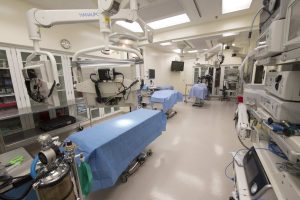
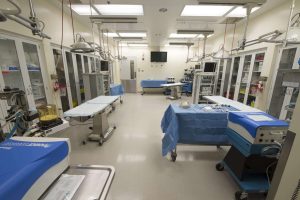
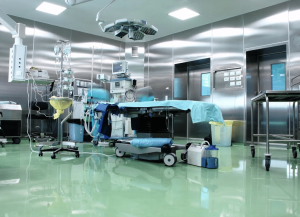
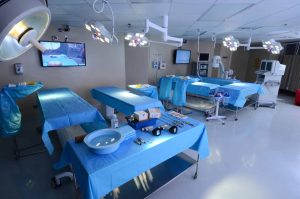
Depending on the course, a neuromodulation lab may require procedural tables, fluoroscopy or other appropriate imaging equipment, ultrasound systems, needles, leads, delivery instruments, device demonstration systems, monitors, lighting, and other procedure-specific supplies.
Qualified laboratory technicians and support personnel can assist with specimen preparation, equipment setup, station organization, and practical laboratory needs.
The training environment should be clean, organized, and appropriate for the planned educational activities. Course planners should also confirm applicable safety procedures, specimen-handling protocols, institutional requirements, and any necessary approvals.
A carefully planned laboratory allows instructors to focus on teaching and helps participants make effective use of hands-on training time.
Why Choose Surgical & Medical Training Services (SMTS)?
Surgical & Medical Training Services supports hands-on medical and surgical education by providing cadaver specimens and related resources for professional training programs.
SMTS works with organizations seeking resources for surgical education, procedural workshops, medical device training, and other hands-on learning activities.
Depending on the program requirements and availability, SMTS may be able to support training organizers with:
- Cadaver specimens for selected neuromodulation and interventional pain management training applications.
- Laboratory technicians and support personnel to assist with specimen and equipment-related requirements.
- Surgical and medical equipment appropriate to the planned training activities.
- Personal protective equipment (PPE) and related laboratory supplies.
- Training-site coordination for programs conducted at suitable facilities or approved off-site venues.
- Customized logistical planning based on specimen needs, course schedules, participant numbers, and location.
Every training program is different. A spinal cord stimulation workshop, peripheral nerve stimulation course, and advanced interventional pain management lab may each require a different combination of specimens, instruments, equipment, and support services.
SMTS encourages prospective clients to discuss their specific learning objectives and operational requirements so the appropriate resources can be considered.
Plan Your Next Neuromodulation Cadaver Training Course
As neuromodulation technologies continue to advance, hands-on procedural education remains an important consideration for pain medicine fellowship programs, hospitals, medical educators, and medical device companies.
Cadaver-based training can provide physicians with valuable anatomical experience and opportunities to practice selected techniques in a structured educational environment. When combined with simulation, expert instruction, and supervised clinical experience, it can contribute to a comprehensive approach to neuromodulation education.
Surgical & Medical Training Services invites pain management physicians, anesthesiologists, interventional spine specialists, neurosurgeons, fellowship directors, and medical device companies to inquire about cadaver specimens and resources for hands-on training.
Contact SMTS to discuss cadaver specimens for spinal cord stimulation, peripheral nerve stimulation, dorsal root ganglion stimulation, and interventional pain management education.
Visit https://smts-1.com/ to learn more about Surgical & Medical Training Services and discuss the requirements for your next training program.
Frequently Asked Questions About Neuromodulation Cadaver Training
Why are cadaver specimens used for neuromodulation training?
Cadaver specimens provide direct exposure to human anatomy and can allow physicians to practice selected procedural techniques, review anatomical landmarks, and understand the relationships between nerves, the spine, and surrounding structures.
Can cadaver specimens be used for spinal cord stimulation training?
Yes. Appropriately selected specimens can support anatomical education and supervised practice of selected spinal cord stimulation techniques, including training related to access, lead placement, and procedural instrumentation.
Are cadaver labs useful for peripheral nerve stimulation training?
Cadaver labs can help physicians study peripheral nerve anatomy, review target locations, understand adjacent structures, and practice selected procedural approaches under qualified supervision.
Who should attend a neuromodulation cadaver course?
Potential participants include pain medicine fellows, interventional pain physicians, anesthesiologists, neurosurgeons, interventional spine specialists, and other appropriately qualified healthcare professionals, depending on the course objectives.
Can medical device companies organize cadaver labs for neuromodulation products?
Cadaver labs can support hands-on educational programs for spinal cord stimulation systems, peripheral nerve stimulation devices, and related medical technologies. Program scope should be defined in advance, with appropriate attention to regulatory and institutional requirements.
How can SMTS help with neuromodulation training?
SMTS can discuss cadaver specimens and related laboratory resources for eligible training programs. Depending on availability and requirements, support may include equipment, laboratory technicians, PPE, and logistical coordination.
How do I request cadaver specimens for a pain management training course?
Visit https://smts-1.com/ and contact Surgical & Medical Training Services with your intended procedures, course dates, location, participant count, and anticipated specimen and equipment requirements.
About Surgical & Medical Training Services (SMTS)
Surgical & Medical Training Services provides cadaver specimens and related resources for medical education, surgical training, and professional hands-on learning. SMTS works with organizations to discuss specimen requirements and coordinate resources based on individual program needs.