Modern surgical education requires more than textbooks, lectures, and virtual demonstrations. Healthcare professionals need opportunities to practice procedures, refine techniques, and build confidence in realistic environments before treating patients. This is where a bioskills lab plays an important role in medical training.
What is a Bioskills Lab?
A modern bioskills lab provides a controlled setting where surgeons, physicians, residents, and other healthcare professionals can develop hands-on skills using advanced technology, specialized equipment, and realistic anatomical models. These facilities bridge the gap between classroom learning and real-world patient care by allowing medical professionals to practice complex procedures in a safe and supportive environment.
Behind every successful training session is a carefully designed facility focused on education, precision, and safety.
What Happens Inside a Bioskills Lab?
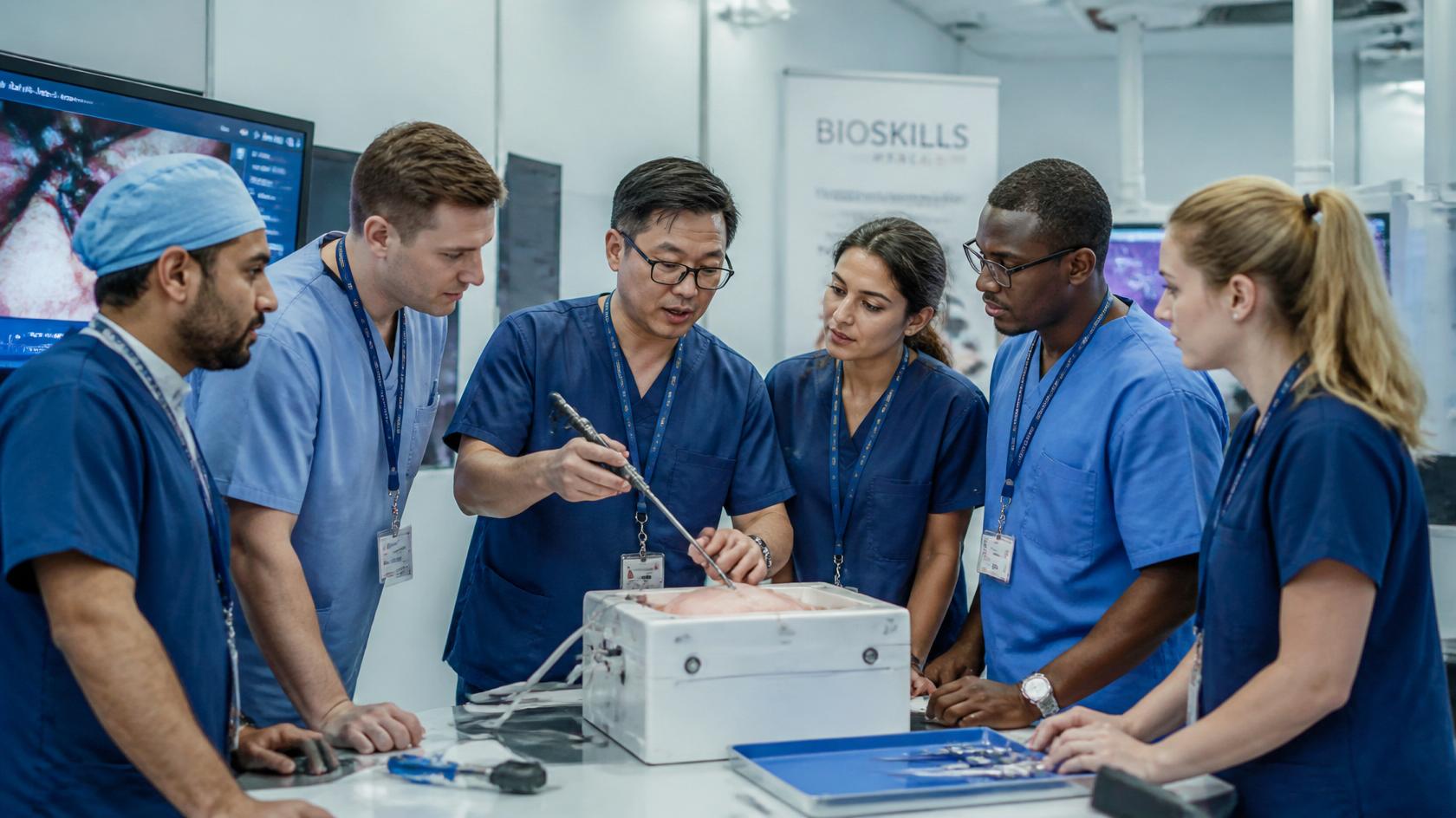
A bioskills lab is a specialized training facility designed to replicate the conditions of an operating room or clinical environment. These labs are used for surgical education, medical device training, procedural practice, and research.
Unlike traditional anatomy labs, modern facilities are built around active learning. Participants are able to perform procedures, test new techniques, and work with surgical tools under the guidance of experienced instructors.
Many training sessions involve a cadaver lab, where medical professionals can gain a deeper understanding of human anatomy while practicing procedures that closely resemble real surgical scenarios. These hands-on experiences help improve technical skills, decision-making, and confidence before applying those techniques in patient care.
Advanced Equipment Used in Modern Bioskills Labs
The equipment inside a bioskills lab is designed to support realistic surgical training. These facilities often include advanced tools and technology similar to what healthcare professionals use in hospitals and surgical centers.
Common equipment found in modern bioskills facilities includes:
Surgical Instruments and Medical Devices
Training labs are equipped with a wide range of surgical instruments, including those used for minimally invasive procedures, orthopedic techniques, cardiovascular training, and other specialized fields. Medical device companies often use these environments to train physicians on new technologies and products.
By practicing with the same equipment used in clinical settings, healthcare professionals can become familiar with device functionality and proper techniques before using them with patients.
Operating Room-Style Workstations
Many bioskills labs are designed to mirror hospital operating rooms. Individual stations may include surgical tables, lighting systems, imaging equipment, and instrument setups that allow participants to practice procedures in a realistic environment.
This setup allows teams to improve not only technical skills but also communication, collaboration, and workflow efficiency.
Imaging and Visualization Technology
Advanced imaging tools help participants better understand anatomy and procedural techniques. Some labs incorporate technologies such as fluoroscopy, ultrasound, endoscopy systems, and other visualization equipment.
These tools allow physicians to practice procedures that require imaging guidance while learning how to interpret and respond to real-time information.
Perfusion and Preservation Technology
Some advanced facilities offer specialized services that maintain realistic tissue conditions for training. Perfused specimens can provide a more lifelike experience by allowing participants to practice techniques involving blood flow, tissue handling, and surgical response.
This technology helps create a training environment that more closely reflects the challenges of live procedures.
The Role of Cadaver Training in Surgical Education
Hands-on anatomical training remains one of the most valuable components of medical education. A cadaver laboratory gives healthcare professionals the opportunity to study anatomy in detail while practicing procedures in a realistic setting.
Cadaver-based training is especially valuable for complex surgeries because it allows physicians to understand anatomical variations, refine surgical approaches, and develop muscle memory. It also provides an opportunity for experienced surgeons to teach advanced techniques to colleagues and trainees.
For medical device companies, universities, and healthcare organizations, bioskills labs provide an environment where new procedures and technologies can be introduced safely and effectively.
Safety Standards and Protocols in Bioskills Facilities
Safety is one of the highest priorities in every bioskills lab. These facilities must follow strict protocols to protect participants, instructors, staff members, and donated specimens.
Specimen Handling and Storage
Proper handling and preservation procedures are essential for maintaining safety and quality. Facilities follow established guidelines for transportation, storage, preparation, and disposal.
Temperature-controlled storage areas, secure preparation spaces, and documented tracking systems help ensure specimens are handled responsibly throughout the training process.
Personal Protective Equipment (PPE)
Participants and staff are required to follow appropriate safety procedures, including wearing personal protective equipment such as gloves, gowns, eye protection, and other protective gear when needed.
PPE helps reduce exposure risks and maintains a professional environment similar to clinical settings.
Infection Control Procedures
Modern bioskills labs implement rigorous cleaning and sanitation protocols. Workstations, instruments, and shared equipment are carefully disinfected before and after training sessions.
These infection control practices help create a safe learning environment while reinforcing the importance of proper surgical hygiene.
Trained Staff and Facility Management
A successful bioskills lab depends on experienced personnel who understand both medical education and operational safety. Staff members coordinate training logistics, prepare equipment, maintain compliance standards, and support instructors throughout each session.
Their expertise ensures that every training experience runs smoothly while meeting safety requirements.
How Bioskills Labs Improve Patient Care
The ultimate goal of a bioskills lab is to improve outcomes for patients. By allowing healthcare professionals to practice procedures before performing them in clinical settings, these facilities support continuous learning and professional development.
Surgeons can refine techniques, explore new approaches, and gain experience with advanced technologies without putting patients at unnecessary risk. Residents and medical students can build foundational skills in a controlled environment before transitioning into more complex responsibilities.
Medical education continues to evolve, and bioskills labs are at the center of that progress. With advanced equipment, realistic training environments, and strict safety standards, these facilities provide healthcare professionals with the hands-on experience needed to deliver high-quality patient care.
As surgical techniques and medical technologies continue to advance, the role of bioskills training will only become more important in preparing the next generation of healthcare professionals.