Stepping into a cadaver lab for the first time is a defining moment in medical and surgical education. Whether you’re a resident, a practicing clinician expanding your skill set, or a device professional participating in cadaver training for the first time, the experience is unlike any other form of hands‑on learning. The environment is controlled, respectful, and deeply educational, but it can also feel unfamiliar if you’ve never worked with real human tissue before. Preparing yourself—practically, mentally, and professionally—can make your first cadaver lab experience far more productive and far less intimidating.
This guide walks through what to expect, what to bring, and how to approach the experience with the right mindset.
Understanding the Purpose of a Cadaver Lab
A cadaver lab is designed to give learners access to real human anatomy in a way that no simulation, model, or virtual platform can replicate. The tactile feedback, anatomical variation, and procedural realism are central to why cadaver training remains the gold standard for surgical skill development. Your first session will likely focus on orientation, safety protocols, and the specific procedures or anatomical regions you’ll be working with. Knowing this ahead of time helps you approach the experience with clarity rather than apprehension.
Preparing Your Mindset
Even highly trained professionals can feel a mix of anticipation and unease before their first cadaver lab experience. This is normal. The key is to approach the session with professionalism, humility, and respect.
First, acknowledge that the donor made a deliberate and generous decision to contribute to medical education. Many participants find that grounding themselves in gratitude helps them stay focused and calm. Second, understand that emotional reactions vary widely. Some people feel completely at ease, while others need a few minutes to adjust to the environment. Neither response reflects your competence or your suitability for clinical work. Give yourself permission to acclimate.
Finally, remember that a cadaver lab is not a test of emotional toughness. It is a learning environment. Your goal is not to suppress your reactions but to channel them into careful, attentive practice.
What to Wear and Bring to a Cadaver Lab
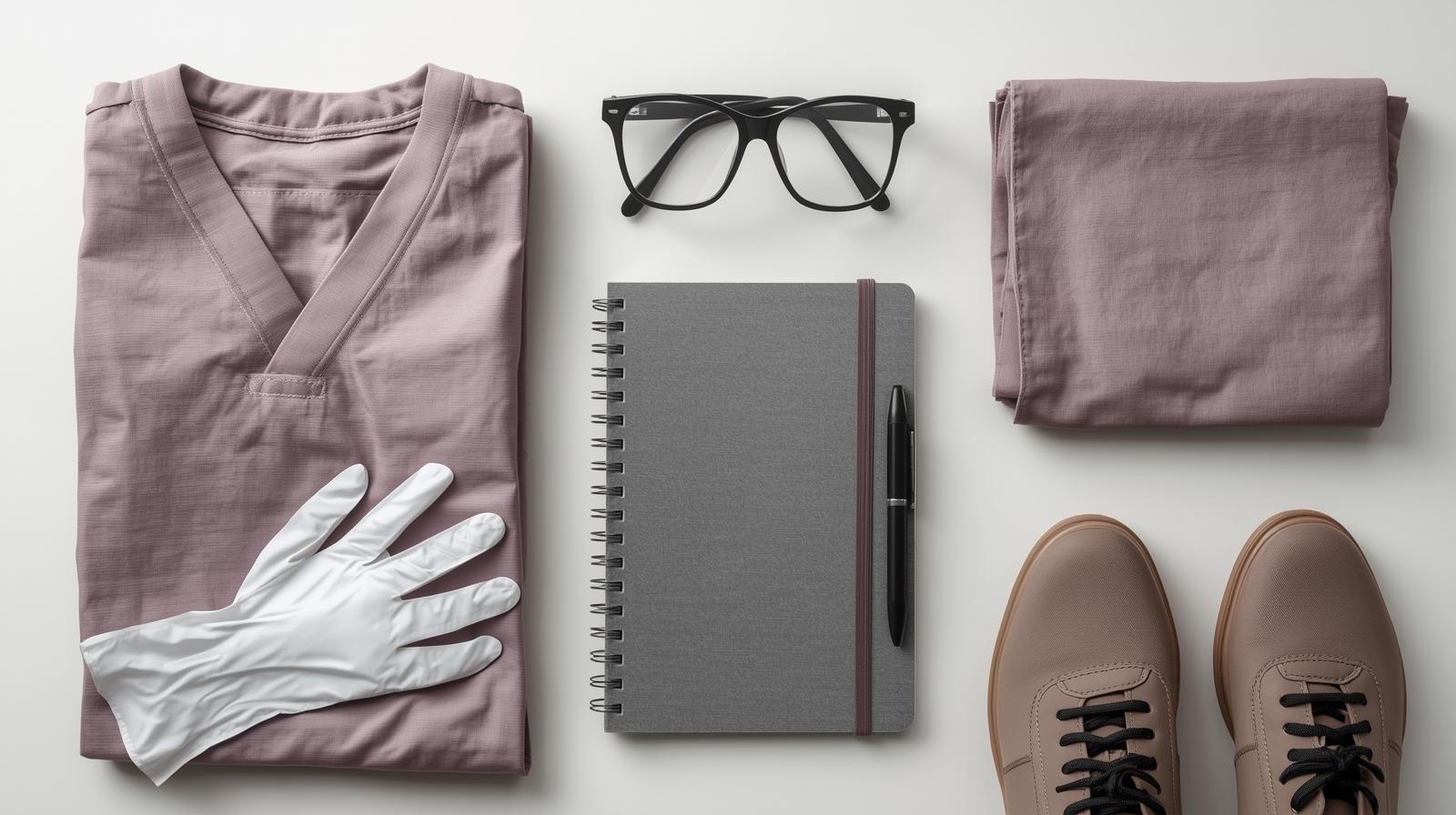
Most facilities provide the essentials, but it’s wise to confirm what is supplied and what you’re expected to bring. In general, plan for the following:
- Closed‑toe, non‑porous shoes that you don’t mind exposing to fluids.
- Scrubs or other lab‑appropriate clothing.
- A long‑sleeve lab coat or disposable gown.
- Protective eyewear.
- Hair tied back or secured.
- Minimal jewelry and no loose accessories.
Some participants also bring a small notebook, although many labs discourage phones or tablets inside the space for contamination and privacy reasons. If you’re attending a procedural cadaver training session, you may be asked to bring your own loupes or specialty tools. When in doubt, ask the lab coordinator ahead of time.
What to Expect When You Arrive at a Cadaver Lab
Your first moments in the cadaver lab will likely involve orientation. Staff will review safety protocols, instrument handling, sharps disposal, and the layout of the room. You’ll also be briefed on the specific donor preparation method used—fresh frozen, lightly embalmed, or fully embalmed—because each offers a different tissue response and learning experience.
The environment is typically quiet, professional, and focused. You may notice the temperature is cooler than expected; this is intentional for tissue preservation. The smell is usually mild, especially in modern facilities with advanced ventilation systems. Most participants find that any initial sensory concerns fade quickly once they begin working.
Approaching the Hands‑On Portion of Cadaver Training
Once you begin the hands‑on portion of your cadaver lab experience, pace yourself. Start with orientation landmarks, confirm your understanding of the anatomy, and communicate with your team. Cadaver training is collaborative by nature, and even experienced clinicians benefit from discussing technique, angles, and approaches with peers.
If you’re practicing a procedure, take advantage of the opportunity to repeat steps, adjust your positioning, and explore anatomical variations. This is one of the rare environments where you can slow down, ask questions, and refine your technique without the pressure of a clinical setting.
Managing Emotional and Cognitive Load
It’s common to feel mentally taxed after your first session training with a cadaver. Working with real human tissue requires sustained concentration, and the emotional weight of the experience can add an additional layer of fatigue. Build in time afterward to decompress. Many participants find it helpful to reflect on what they learned, what surprised them, and what they want to revisit in future sessions.
If you experience lingering discomfort or unexpected emotional reactions, speak with a mentor or colleague. These conversations are part of professional growth and are widely understood within the medical community.
Leaving the Lab: Professional Conduct
When the session concludes, you’ll participate in cleanup and closing procedures. This may include instrument checks, proper disposal of materials, and a moment of acknowledgment for the donor. Treat this part of the experience with the same respect you brought to the hands‑on work.
Afterward, wash thoroughly, change clothes if needed, and avoid eating until you’ve fully cleaned up. These steps are standard practice and help maintain both safety and professionalism.
Preparing with Purpose
Your first cadaver lab experience is a milestone—one that blends technical learning with human connection. With the right preparation, gear, and mindset, you’ll be able to focus on what matters most: developing skills that improve patient care. Cadaver training offers a depth of understanding that no other modality can match, and approaching it with respect and readiness ensures you gain the full value of the experience.